
Why is Protecting Our Heritage Crafts So Important
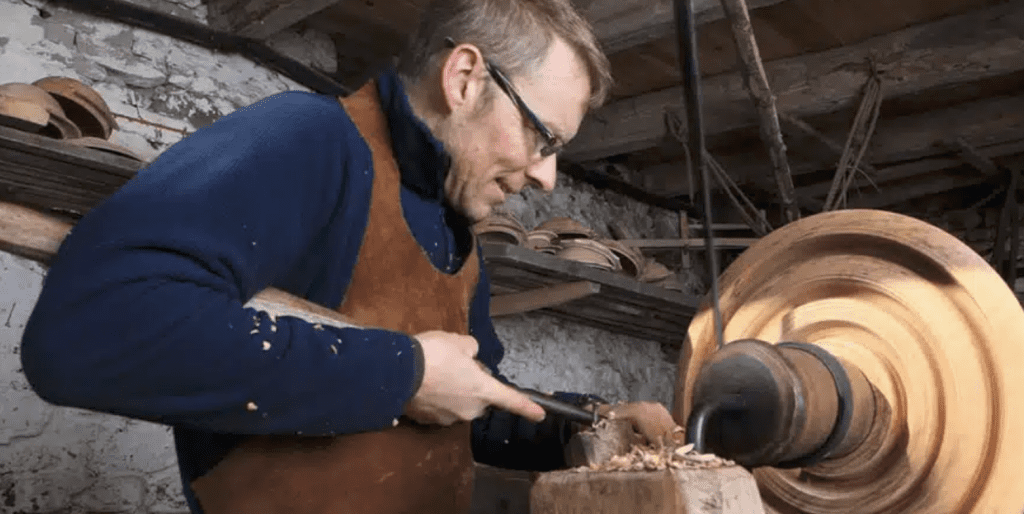
Culture is built on the practices and characteristics that make a place unique. For thousands of years and countless generations, humans have always crafted. Whether it be art or practical tools, crafting has been central to the building and conservation of civilisations. For Britain this is no different. We have a long legacy of art, architecture, skills and crafts that have helped shape who we are today. The preservation and continued use of these heritage crafts is crucial to the conservation and improvement of our British culture.
The idea of intergrating heritage crafts is a profound act especially when you are trying to promote the idea of circular business as opposed to the mass producation linear businesses hat currently obsess our lives. Heritage crafts by there very nature instill the idea of respect for the item that is created.
Why Heritage Crafts Matter in Todays Modern World
Heritage crafts are not just nostalgic curiosities; they are the bedrock of Britain’s cultural story. From traditional timber-framing and thatching to blacksmithing, basket weaving, rural carpentry, and textile weaving, these skills tell us who we are, where we have come from, and how our communities once thrived. They offer insight into local economies, regional identity, and social life across the centuries, reminding us that craft and culture have always been inseparable.
Unlike industrially produced objects, handmade heritage crafts carry with them the fingerprint of human ingenuity. They embody values of patience, sustainability, and resilience. A handmade oak beam, a hand-woven basket, or an iron tool forged in the fire speaks not only of practical utility but also of the human stories and traditions embedded within them. By learning and practising these skills today, we do not merely replicate the past – we renew it, keeping alive the techniques that built our towns, clothed our families, and sustained our communities. We also restore it, putting it back in its rightful place as a crucial element of our cultural aesthetic and practical artistry. In doing so, we cultivate creativity and self-reliance, virtues that resonate strongly in our modern age of environmental concern and community rebuilding.


Join the movement! Reimagine communities, integrate nature, and build a sustainable future with us.
Developing Skills for Today’s World and Intergrating Them with Modern Technologies
In an age of mass production and digital convenience, it might be tempting to see heritage crafts as obsolete. Yet they are more relevant than ever. Their emphasis on quality, repair, and sustainability speaks directly to today’s concerns about climate change, consumer waste, self-sufficiency, and the loss of local skills. Thatched roofs, for instance, are not only beautiful but also environmentally efficient. Timber-framed houses demonstrate the use of renewable resources in construction long before sustainability became a buzzword. Heritage blacksmithing teaches the value of repair over disposal, extending the life of tools and objects. These are lessons modern society needs to embrace.
