
Creating a Wind Wall
Wind walls are modular, kinetic structures featuring an array of vertical-axis wind turbines designed to generate renewable electricity for buildings, particularly in urban, space-constrained areas. They are designed to be aesthetic, quiet, and efficient, often installed on rooftop edges or facades to complement solar power by generating energy day and night.

Breif Introduction to Creating a Wind Wall
In Commonground ReWilding we don’t see why renewable energy generation shouldn’t actively make a home or work place more beautiful, so we are putting together a project that aims to look at “kinetic walls” using rotary wind turbines to achieve some hypnotic visual effects as well as supplying free energy.
Imagine a wall that has say 20 or so vertical turbines, each connected to a 400-watt generator with a total peak power output of 10 kW. Like our rooftop solar setup at our founders house, they could be run through a battery system for storage. They are “almost silent,” producing “no more noise than a gentle whirling,” and safe for use around children, since there are no pinch-points in the rotation and even a little one could easily stop the lightweight blades from turning.
Our aims is to make sure they are capable of catching the wind from any direction. Being vertical, they can run as a standalone system or be paired with a solar array to generate power at overlapping times. You can also combine them to create bigger energy producers such as on a farm or a business with a large roof.
Our aim to try and keep them sustainable by using bamboo where ever we can. Like with the blades so if one breaks they can be replaced and the old blade re-purporsed in to something else. B y working this way we can make the items “very affordable.” By creating them in kit form we can create a simple affordable and extremely adaptable system that will work when the wind is up but the sun is down like in winter.
We want to create a research workshop to develop ideas across the board from design to technology & science of the energy production to the sustainability investagation of the concept. Ony one can get involved and would wrok brilliantly with kids wanting to get involved in real physics, like kinetic energy or aerodynamics or blade design. There are also skills needed to create the actual mechanics of the units.

Join the movement! Reimagine communities, integrate nature, and build a sustainable future with us.
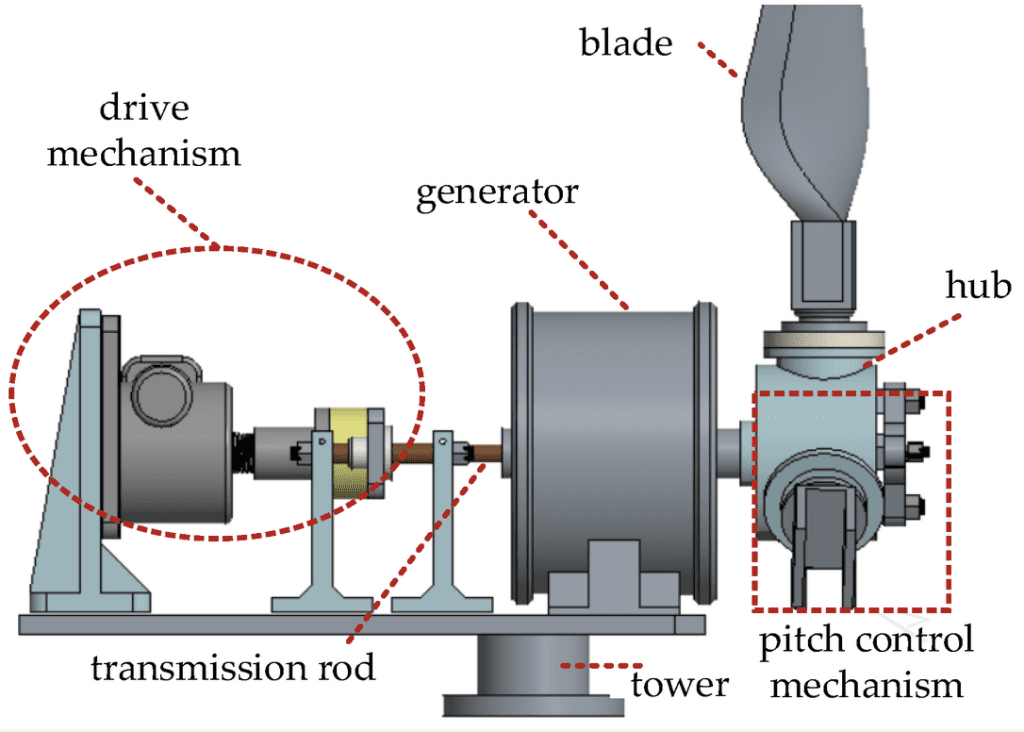
Concept Design Outline
This article is still being developed – so please bear with us.
If you fancy helping us develop the project or have experience in this area please contact us.
Lorem Ipsum is simply dummy text of the printing and typesetting industry. Lorem Ipsum has been the industry’s standard dummy text ever since the 1500s, when an unknown printer took a galley of type and scrambled it to make a type specimen book. It has survived not only five centuries, but also the leap into electronic typesetting, remaining essentially unchanged. It was popularised in the 1960s with the release of Letraset sheets containing Lorem Ipsum passages, and more recently with desktop publishing software like Aldus PageMaker including versions of Lorem Ipsum.
